
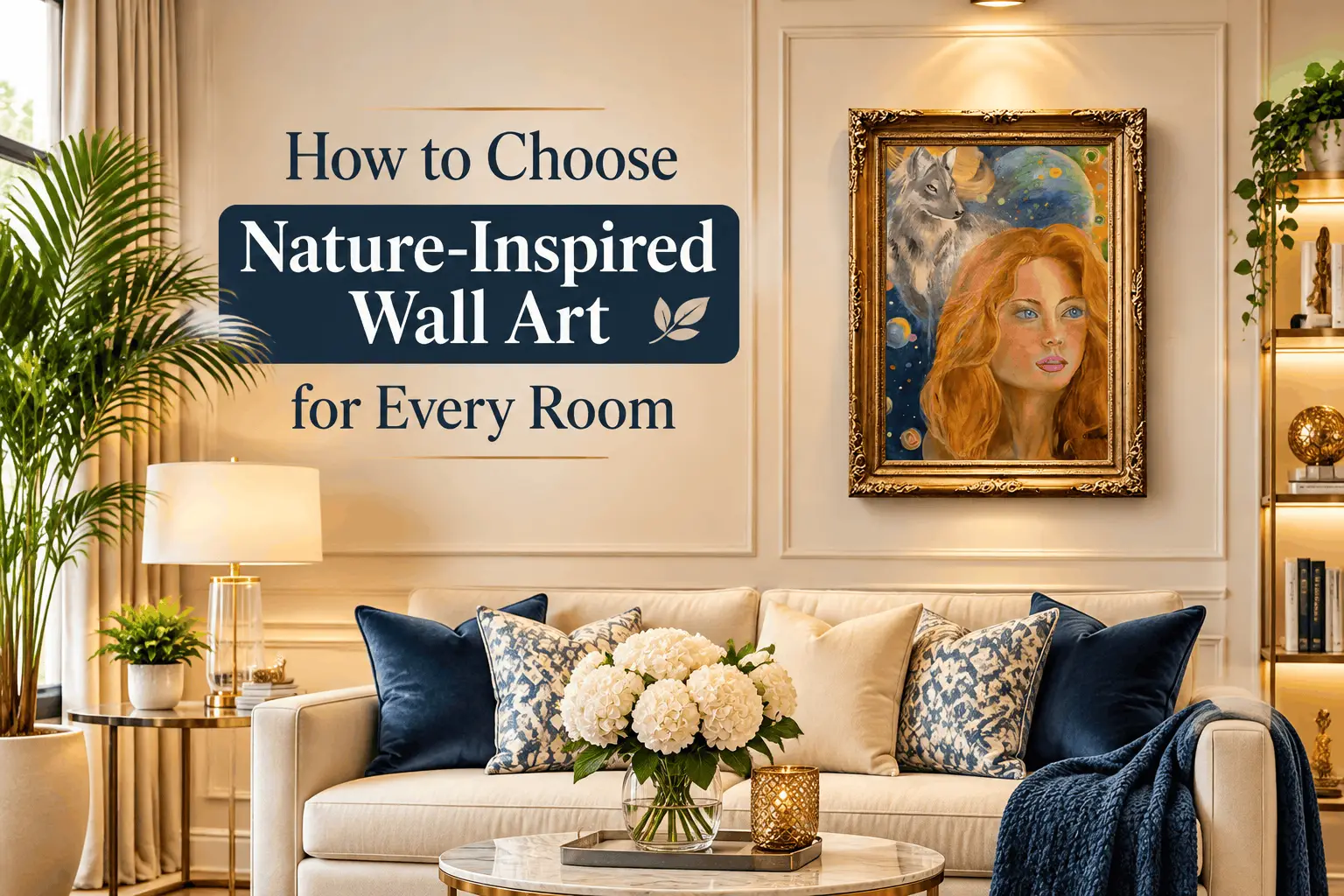
Nature has a way of making a space feel more inviting. Whether it’s the gentle movement of ocean waves, the rich colors of a forest, or the delicate details of a blooming flower, natural elements bring warmth and character into our homes. Original paintings inspired by these scenes offer a particularly personal way to introduce nature indoors, giving walls a sense of depth and individuality that mass-produced prints may not always provide.
Choosing the right artwork, however, involves more than finding a beautiful image. The colors, subject, size, and overall style should complement the room and the atmosphere you want to create. From expressive floral compositions to peaceful landscapes, nature-inspired wall art can suit almost any interior when selected thoughtfully. Here’s how to find pieces that feel right in every room of your home.
Before choosing a particular subject or style, consider how you want each room to feel. Artwork has a significant influence on the atmosphere of an interior, and nature offers plenty of inspiration for different moods. For spaces where you want to encourage relaxation, consider gentle landscapes, botanical compositions, or artwork featuring muted natural tones. Bedrooms and reading corners often benefit from softer imagery, while shared spaces can accommodate more expressive pieces.
You can also use nature wall decor to introduce colors and textures that already appear in your furniture, flooring, rugs, and decorative accessories. For example, artwork featuring warm browns, muted greens, and sandy neutrals can bring together a room with wooden furniture and natural fabrics. Think about the visual balance, too. A detailed painting can become the focal point of a minimally furnished room, while a simpler composition may work better in an interior that already has plenty of patterns and decorative elements.
The living room is often where artwork makes its strongest impression. It’s a shared space where you can experiment with larger compositions, distinctive subjects, and colors that reflect your personality. Landscape wall art is a natural choice for this setting. Mountain ranges, open fields, coastal views, and forest scenes can introduce a sense of space and depth, particularly in rooms with neutral furniture. If you prefer a warmer atmosphere, forest landscape paintings for cozy living rooms can bring together rich greens, earthy browns, and softer natural shades.
Floral artwork offers another way to add character. Colorful floral wall art for living room decor can introduce vibrant accents without requiring significant changes to the rest of the interior. Choose a piece with colors that complement your cushions, curtains, or other accessories to create a more connected look. Consider the wall where the artwork will hang. A large painting above the sofa can anchor the seating area, while a collection of smaller pieces can fill an otherwise empty wall. If you have an open-plan living space, artwork can also help visually distinguish the lounge area from adjoining spaces.
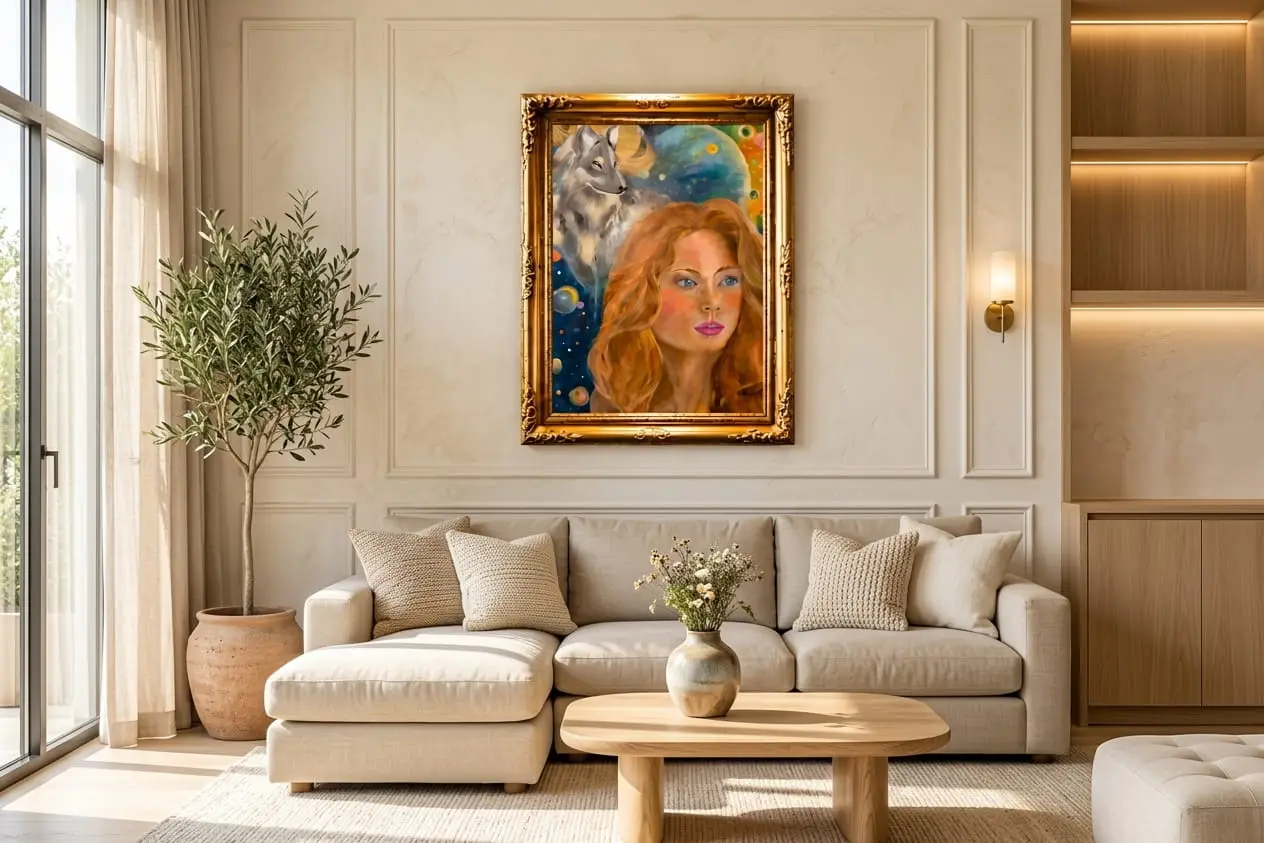
Bedrooms benefit from artwork that feels calm and comfortable. Rather than choosing pieces solely for their decorative appeal, consider how their colors and subjects contribute to the atmosphere you want at the end of the day. Ocean-inspired artwork for relaxing bedroom spaces is a popular option because of its association with openness and tranquility. Soft coastal scenes, gentle waves, and muted blue tones can complement light bedding, natural wood, and understated furnishings.
For a cohesive appearance, look for artwork that shares a similar color palette with your bedding or curtains. This doesn’t mean every shade needs to match. A painting with subtle green or blue accents can provide just enough contrast against neutral walls. Placement matters as well. Artwork above the headboard creates a natural focal point, while a smaller piece near a dressing table or reading corner can make the space feel more complete.
Hallways, entryways, kitchens, and home offices are often overlooked when decorating with artwork. However, these spaces offer excellent opportunities to introduce smaller nature-inspired pieces. Garden-inspired wall art works particularly well in areas where you want to create a fresh, welcoming impression. Botanical illustrations, flowering branches, and garden scenes can add personality without overwhelming the available space. Leaf prints for walls are another versatile option. Their shapes and patterns work with several interior styles, from traditional homes to contemporary apartments. You can choose detailed botanical studies for a classic look or simplified leaf compositions for something more understated.
In kitchens and dining areas, floral and botanical artwork can complement natural materials such as stone, timber, and ceramic finishes. In a home office, consider landscapes or organic abstract art that adds visual interest without becoming distracting. Smaller spaces generally benefit from carefully selected pieces rather than overcrowded arrangements. A single painting or a pair of complementary prints can make a stronger impression than filling every available wall.
Color is one of the most important considerations when selecting artwork. Even a painting with a beautiful subject can feel out of place if its dominant shades clash with the surrounding decor. An earthy wall art collection featuring terracotta, olive green, ochre, beige, and warm brown can complement interiors with wooden furniture, woven textures, and neutral finishes. These colors also work well with natural materials such as linen, rattan, and stone. For a lighter appearance, look for a natural color palette wall art that incorporates soft greens, pale blues, cream, and muted floral shades. These combinations can brighten a room while maintaining a relaxed, understated atmosphere.
If your interior already features neutral colors, artwork can introduce a stronger accent. Conversely, a room with colorful furniture or patterned upholstery may benefit from a more restrained composition. Don’t feel restricted to realistic representations of nature, either. Organic abstract art uses flowing shapes, natural forms, and expressive colors to capture the feeling of the outdoors without depicting a specific landscape or botanical subject. This makes it particularly suitable for contemporary interiors.
Natural subjects and contemporary design can complement each other beautifully. Modern interiors often feature clean lines, open spaces, neutral finishes, and minimal decoration. Artwork inspired by nature introduces warmth and movement without disrupting these qualities. For nature-inspired wall art for modern homes, consider simplified landscapes, abstract botanical compositions, and expressive floral paintings. These styles retain a connection to the natural world while offering a more contemporary visual language. Wildlife wall art can also make a distinctive addition. Animal portraits, bird studies, and other wildlife subjects introduce personality and can become conversation pieces. Choose artwork with a style and color scheme that complements the room rather than competing with its existing features.
Another option is to mix different interpretations of nature. A contemporary abstract painting can sit alongside a more traditional botanical print, provided the pieces share complementary colors or visual elements. For additional inspiration, explore How Nature Inspires Contemporary Floral Paintings to discover how natural forms, seasonal colors, and botanical details influence modern floral compositions.
Decorating with nature-inspired artwork gives you an opportunity to bring your favorite aspects of the outdoors into everyday spaces. A peaceful landscape can make a bedroom feel more restful, while expressive florals can give a living room a distinctive personality. Even smaller botanical prints can make hallways and overlooked corners feel thoughtfully decorated.
Rather than following a single decorating rule, consider what appeals to you and how each piece fits into its surroundings. Explore the collection at Anita Bischoff’s Art for nature-inspired paintings that bring together color, scale, and artistic expression. Whether you prefer delicate florals, expansive landscapes, or organic compositions, choose pieces that complement your home while reflecting the atmosphere and character you want to create.